Nourishment That Starts with More — Feeding Your Sensitive, Sensation-Seeking System Back to Life
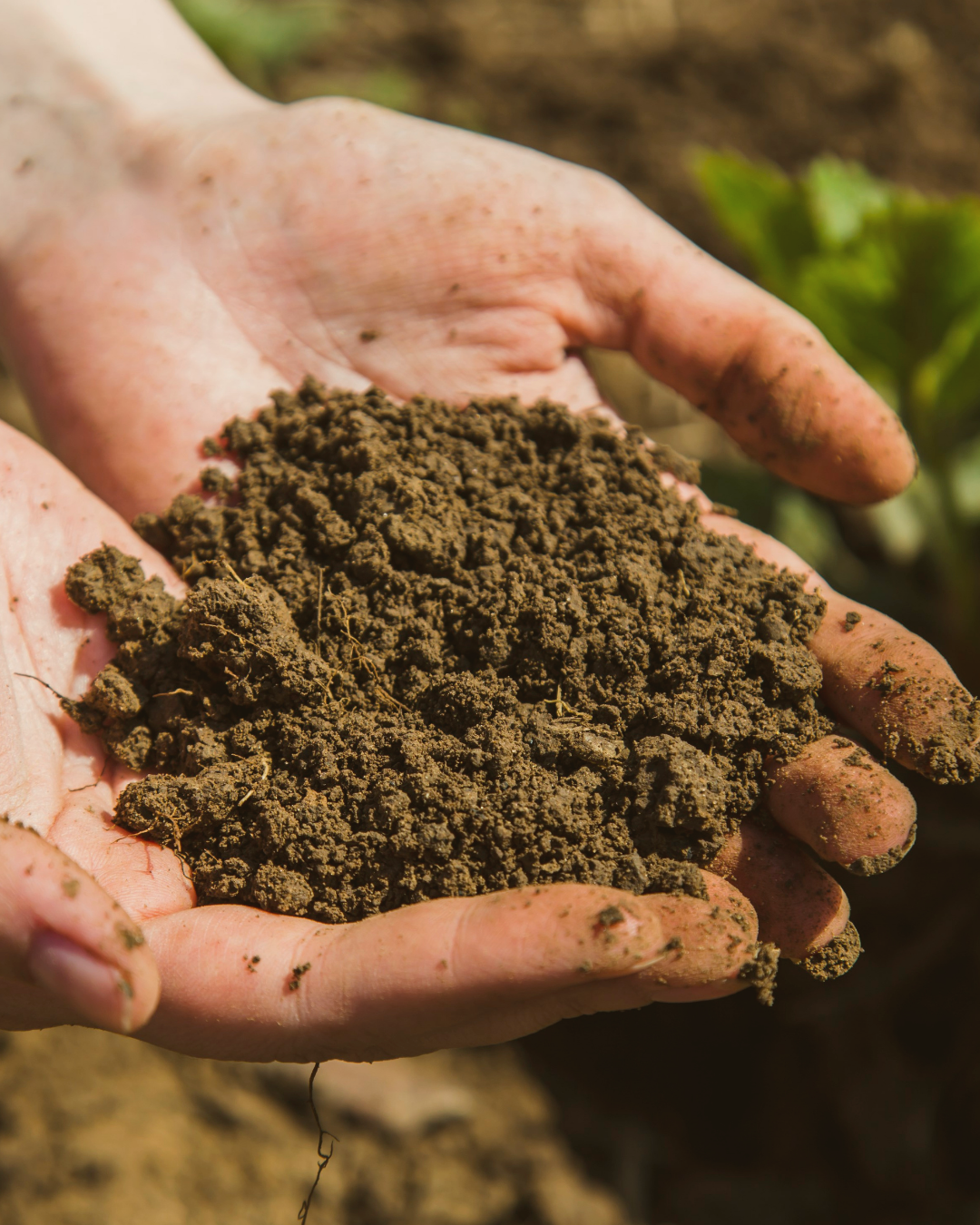
Nourishment begins in the small living things — one handful of soil, one meal, one choice at a time..
Somewhere between the diet rules, the wellness trends, and the endless “shoulds”, food became complicated.
It shifted from the hands in the soil to a pot on the stove simplicity, to a tight, anxious, guilt-laden puzzle — one where every bite becomes a decision, and every meal becomes a quiet negotiation with yourself.
But if you're a dual-wired woman — both highly sensitive and highly sensation seeking — that complexity often runs deeper. Your nervous system feels everything more intensely: the deprivation, the overwhelm, the hope, the shame, the brief wins, the long crashes.
When I talk about nourishment now, I’m not talking about rules or restrictions. I’m talking about adding more of what truly feeds you back to life — body, mind, and spirit. The kind of nourishment that feels like warm sunlight on your skin after a long winter, or the first deep breath you take when you step outside and really notice the air.
There are so many ways we nourish ourselves that have nothing to do with what’s on our plate.
Time with people (and animals) we love.
Hands in the garden soil, uncovering fat worms while the sun warms our backs.
The song that makes us dance in the kitchen.
A film we know by heart.
A walk in the bush on the day we’d rather pull the covers back over our head.
One small act of kindness.
One real laugh.
One deliberate pause to say, _I’m grateful to be here._
Those small drops add up — especially for a sensitive nervous system that has been pouring itself out for years.
And then, of course, there is the food itself.

When food became a battlefield
If you grew up in a body that didn’t match what the world said was acceptable, there’s a good chance food stopped being simple a long time ago. Mine certainly did.
I was the “big girl” at school, teased with all the usual names. No one stopped to ask why my body looked the way it did, or what my hormones were up to behind the scenes. The message was blunt: you’re too much, and it’s because you eat too much.
So I did what so many of us — especially sensitive, high-achieving, self-pressuring women — do.
I started dieting. Again and again.
Restricting, counting, cutting things out.
Losing weight, regaining it, losing it again.
Each round left me with less muscle, more stored fat, and a nervous system that no longer knew when it was safe to rest.
Over the years, my weight swung by as much as fifty kilos. I’ve done the medically-sanctioned diets, the trendy ones, and the obscure ones (ice cream and broccoli, anyone?). I’ve hiked steep tracks on 500 calories a day with a homeopathic concoction in my pocket, convinced this time I’d finally “fix” myself.
I wasn’t chasing nourishment.
I was chasing control.
Food became a way to fight my body rather than care for it.
The shift from fixing to feeding
Things began to soften when I realised my body wasn’t broken — and neither was I. I learned about high sensitivity and high sensation seeking, and suddenly so many things made sense:
The burnout. The boom-and-bust cycles.
The injuries and illnesses.
The emotional overwhelm.
The intense cravings for both comfort and stimulation.
The way food became a coping strategy for a dysregulated nervous system.
Around that time I used tools like the Noom app to understand the psychology beneath my eating patterns — the stress eating, the numbing, the inherited stories about what my body “should” look like.
From there, I went deeper:
- into how stored emotions shape our biochemistry
- into NLP to gently rewrite old scripts
- into somatic and mindfulness practices
- into tapping, journalling, breathwork
- into learning what my sensitive, easily-amplified system actually needed
And crucially, I stopped making weight loss the goal.
Instead, I asked a far more radical question:
What would it look like to truly nourish myself?
The answers were simple and surprising. I started adding.
More leafy greens.
More colour.
More whole, fibre-rich foods.
More herbs, flavour, joy.
More meals cooked from ingredients I recognised.
I slowly removed what inflamed my body — not because a rule told me to, but because I could feel the difference everywhere, in my joints, my digestion, my energy, my mood, my sense of steadiness.
Everything I eat now has to earn its place by nourishing me. Not perfectly. Not rigidly. Just honestly.
The question is no longer “Will this make me shrink?” but “Will this help me live well?”
Nourishment is cumulative
Recovering from a lifetime of burnout, hormonal chaos, injuries, chronic pain, and nervous system overload took more than changing what was on my plate. It meant changing how I lived.
I stepped back from a public, high-stress role.
I stopped working in ways that constantly tipped me into fight-or-flight.
I spent more time in the garden, the kitchen, and nature than I did in front of a screen.
I rebuilt strength and stamina slowly.
I made sleep, meditation, journalling, breathwork, and yoga part of my daily rhythm.
Was it drastic? Yes. Did my dual-wired system need it? Also yes.
You don’t have to do what I did — and you don’t have to do it all at once, because nourishment is cumulative and it can start small.
It meets you where you are.
Beginning where you are
If you’re tired of fighting your body, here are some gentle invitations to begin nourishing yourself back to life — especially if you recognise yourself as a HSP/HSS dual-wired woman:
- Add one serving of leafy greens to your day and notice how your energy shifts over time.
- Swap one processed snack for something whole and satisfying.
- Cook one simple meal from scratch this week and savour it slowly.
- Take a short phone-free walk outside; let your senses wake up.
- Spend ten minutes journalling or resting and ask, “What do you need today?”
- Seek out what makes you laugh or warms you from the inside out.
None of these will change your life overnight, but done consistently, they repair the relationship between you and your body — and signal to your nervous system:
I’m listening. You matter. I want you well.
You deserve to be well-fed
Nourishment is not a diet. It’s not a before-and-after photo, or another set of rules to fail at.
Nourishment is a relationship — with your food, your body, your nervous system, and the life you’re slowly creating around all of it.
You deserve to be well-fed in every sense:
More supported.
More grounded.
More energised.
More yourself.
It’s how we feed ourselves back to life one small sip of nourishment at a time.
Want to take a deeper look at what it feels like to rebuild yourself from the inside out — through dual wiring, transition, nourishment, grief, and gentle resilience. This hilltop video expands on today’s post and the nervous-system roots beneath it.
